
Overview
What is a laboratory autoclave?
An autoclave uses pressurised saturated steam to sterilise laboratory media, glassware, instruments and suitable waste. It is a core piece of equipment for microbiology, pharmaceutical, food and healthcare laboratories.
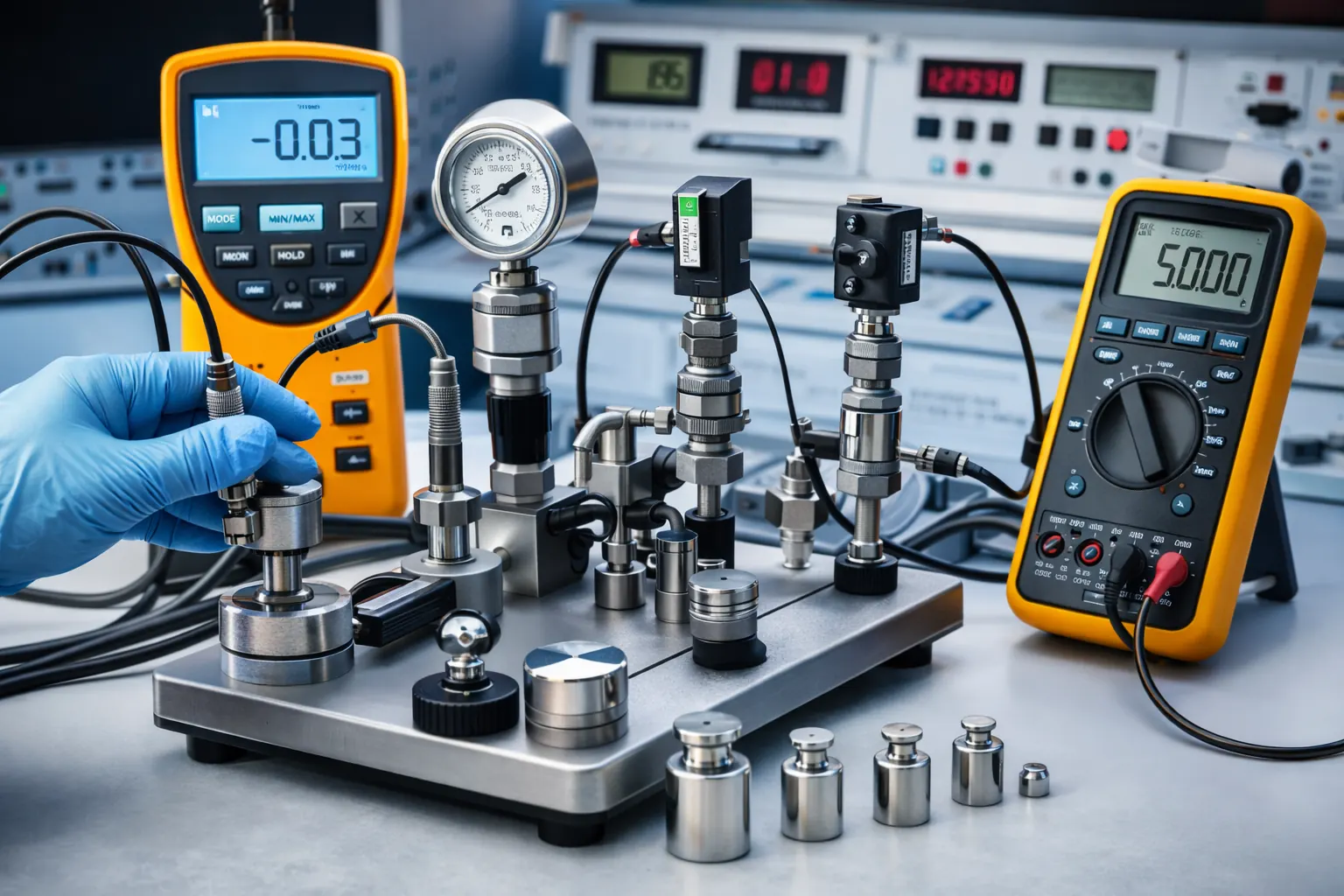
Sterilisation depends on reaching and holding the correct temperature, pressure and time. Regular calibration of these measurements helps a laboratory show that its autoclave is working as intended.
What to consider for an autoclave
- 1
Chamber capacity
Match the chamber to your daily load size and the items you sterilise.
- 2
Cycle types
Consider the cycles needed for liquids, solid items, wrapped loads and waste.
- 3
Temperature and pressure
Reliable measurement is essential to a valid sterilisation cycle.
- 4
Safety features
Review door interlocks, pressure relief and safe handling of hot loads.
FAQs
Autoclave FAQs
What is an autoclave used for in a laboratory?
It sterilises items such as culture media, glassware and instruments using pressurised steam, and can also be used to treat suitable laboratory waste.
Why does an autoclave need calibration?
Sterilisation depends on accurate temperature, pressure and time. Calibration confirms that the readings used to control and verify a cycle can be trusted.
Can Prime-TIC calibrate autoclaves?
Yes. Autoclaves are included in Prime-TIC's thermal calibration capabilities.
Send us a message
Discuss your autoclave requirements
Contact us today for a free quotation.
- Call our experts+92 308 4468909
- Emailinfo@prime-tic.com
- Emailshahzaib@prime-tic.com
- WhatsAppChat with us
Offices in Bolton (UK), Lahore and Islamabad