
Overview
What is a cleanroom?
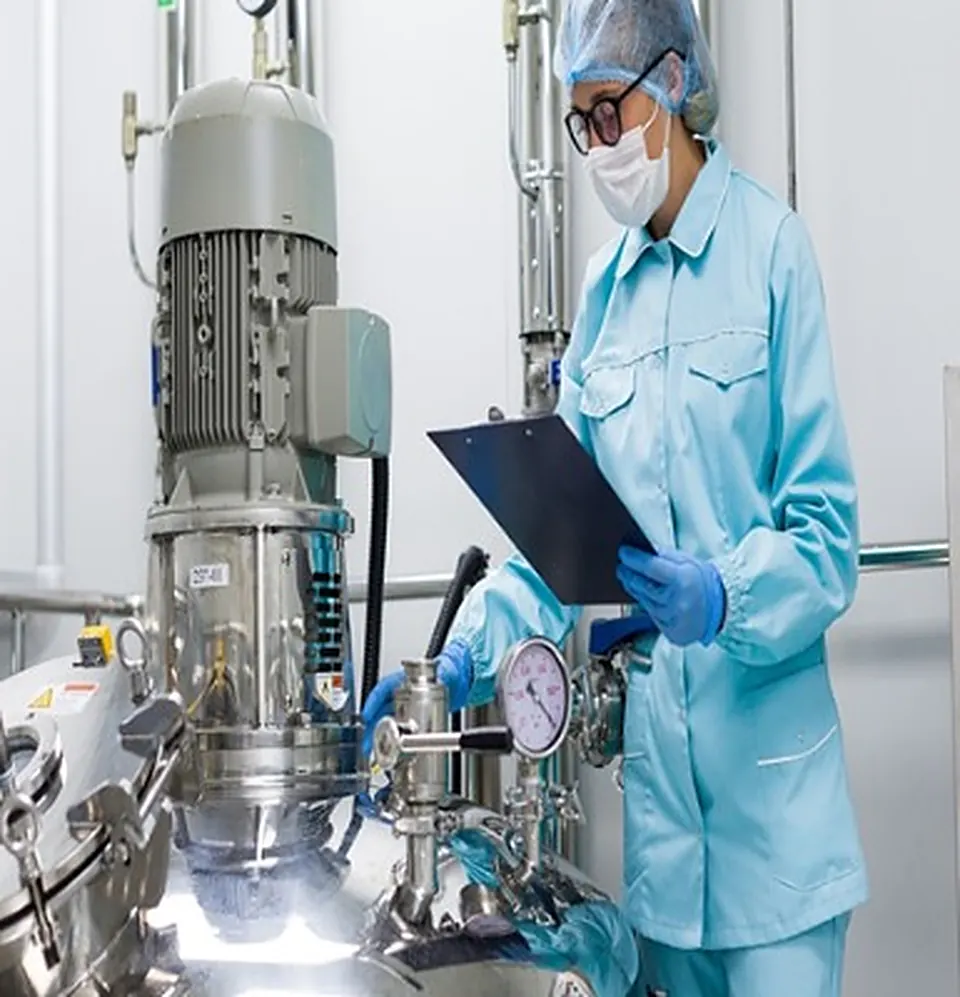
A cleanroom is a controlled space where airborne particles are kept within defined limits. Filtered air, room pressure, temperature, humidity, surfaces and working practices all contribute to that control.
Cleanrooms are used in pharmaceutical, medical device, food and research settings. Their performance depends on both the facility and the discipline of the people who work in it.
Key parts of cleanroom control
- 1
Air filtration
Filtered air helps keep particle levels within the required class.
- 2
Pressure control
Pressure differences help limit contamination between areas.
- 3
Temperature and humidity
Stable conditions protect products, processes and instruments.
- 4
Monitoring
Routine checks show that the environment remains under control.
- 5
Hygiene testing
Surface, personnel and air testing helps assess microbial contamination.
FAQs
Cleanroom FAQs
What is a cleanroom used for?
It provides a controlled environment for work that can be affected by contamination, such as pharmaceutical, medical device and sensitive laboratory activities.
How is cleanroom cleanliness classified?
Cleanrooms are commonly classified by airborne particle concentration under the ISO 14644 series.
Can Prime-TIC test hygiene in controlled areas?
Yes. Prime-TIC's hygiene testing includes personnel hand swabs, surface swabs, and air quality and microbial load testing.
Send us a message
Discuss your cleanroom requirements
Contact us today for a free quotation.
- Call our experts+92 308 4468909
- Emailinfo@prime-tic.com
- Emailshahzaib@prime-tic.com
- WhatsAppChat with us
Offices in Bolton (UK), Lahore and Islamabad